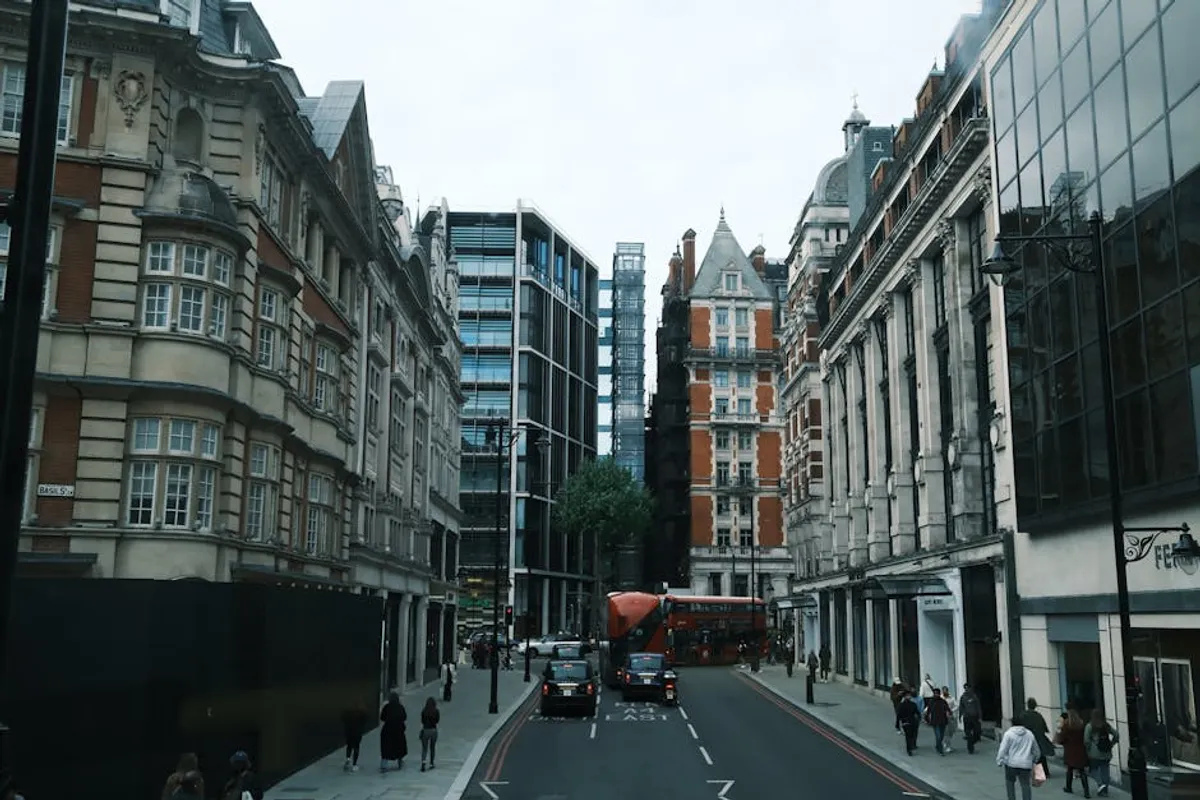
Analyzing the search profile of a prestigious geographical area like Mayfair, London, provides insight into how content can capture high-value traffic across informational, commercial, and transactional intents. This affluent district consistently draws interest from individuals seeking luxury experiences, high-end real estate, exclusive services, and cultural engagement. Understanding the content categories, audience segments, and visibility patterns surrounding Mayfair allows publishers to strategically position their content to attract a discerning global and local audience, converting general interest into actionable engagement for businesses operating within or related to the area.
What Mayfair London Appears to Cover
Content orbiting Mayfair, London, typically clusters around several key themes reflecting its status as a premier global destination. Informational content often delves into the area's rich history, detailing its aristocratic origins, architectural evolution, and notable landmarks like Grosvenor Square, Berkeley Square, and Burlington Arcade. Guides frequently cover the luxury retail landscape, focusing on iconic shopping streets such as Bond Street and Savile Row, highlighting bespoke tailoring, high fashion, and fine jewelry. The culinary scene is another dominant category, with articles profiling Michelin-starred restaurants, exclusive private dining clubs, and sophisticated afternoon tea experiences. Real estate content is prominent, addressing the ultra-prime property market, investment opportunities, and luxury rental options. Beyond these, content often explores Mayfair's vibrant art gallery scene, high-end hotels, and cultural events, including seasonal art fairs and fashion week activities, providing comprehensive coverage of the district's multifaceted appeal.
Where Its Search Traffic May Come From
Search traffic for Mayfair, London, originates from a diverse range of queries, indicating varied user intents. A significant portion comes from informational searches, where users seek to understand "what is Mayfair known for," "history of Mayfair," or "things to do in Mayfair." Navigational queries target specific establishments within the area, such as "Claridge's hotel London" or "Sketch Mayfair restaurant," indicating users already know their destination. Commercial investigation queries are common, with users searching for "luxury hotels Mayfair," "best shopping Bond Street," or "Mayfair art galleries," signaling an intent to explore options before making a decision. Transactional searches, though fewer in volume, represent high-value intent, such as "book dinner at The Ritz London" or "buy property Mayfair." Local search queries, like "coffee shops Mayfair" or "pharmacy Mayfair," also contribute, particularly from users physically present in or near the district. Global interest in London as a travel destination further amplifies these search volumes, drawing in users planning international trips.
Search Intent Behind Mayfair London
The search intent surrounding Mayfair, London, is highly segmented, reflecting the district's broad appeal. Informational intent drives queries from users seeking general knowledge, historical context, or overviews of the area's offerings. For example, "Mayfair London facts" or "famous residents of Mayfair" fall into this category. Commercial investigation intent is prevalent among those researching luxury goods, services, and experiences without immediate purchase commitment, such as "high-end boutiques Mayfair" or "Mayfair private members clubs review." Transactional intent captures users ready to make bookings or purchases, often characterized by keywords like "book Mayfair hotel," "rent apartment Mayfair," or "buy tickets Mayfair event." Navigational intent is clear when users search for specific business names or landmarks, indicating they are looking for a particular entity's website or location. Understanding these distinct intents is crucial for content creators to tailor articles that directly address user needs at different stages of their decision-making process, from initial discovery to final transaction.
Why Traffic May Rise or Fall
Organic search traffic related to Mayfair, London, is susceptible to fluctuations driven by several factors. Traffic tends to rise during periods of increased global tourism to London, particularly coinciding with major international events, cultural festivals, or seasonal travel peaks. Positive media coverage, high-profile openings of new luxury establishments (restaurants, hotels, galleries), or significant real estate transactions can also generate spikes in interest and search volume. Conversely, traffic may fall during economic downturns that impact luxury spending and international travel. Negative publicity surrounding the area, changes in global travel patterns, or increased competition from content about other luxury districts could also lead to decreased visibility. Search algorithm updates, particularly those emphasizing E-E-A-T (Experience, Expertise, Authoritativeness, Trustworthiness) for local and commercially sensitive topics, can also significantly rebalance traffic distribution among publishers covering Mayfair.
How the Site Could Improve Organic Visibility
To enhance organic visibility for Mayfair, London, content, a publisher should focus on several strategic areas. Developing comprehensive topic clusters around core themes like "Mayfair luxury shopping guide," "Mayfair fine dining experiences," and "Mayfair property investment" can establish topical authority. Implementing robust local SEO strategies is critical, including optimizing for Google Business Profile listings for specific businesses and landmarks within Mayfair, ensuring accurate NAP (Name, Address, Phone) information, and utilizing local schema markup. Integrating high-quality visual content, such as professional photography and virtual tours, can improve engagement and user experience signals. Emphasizing E-E-A-T through expert author bios (e.g., local historians, luxury travel writers, real estate specialists) and citing authoritative sources builds trust. A mobile-first design is essential, given the high likelihood of on-the-go searches from visitors and residents. Finally, a strong internal linking structure connecting related articles will help search engines understand the breadth and depth of content coverage, distributing link equity and reinforcing topical relevance.
What to Check Before Trusting Traffic Estimates
Before relying on third-party traffic estimates for Mayfair, London, it is essential to evaluate several factors for accuracy. Scrutinize the data source's methodology to understand how its numbers are derived and if they account for the nuances of geographical and luxury-focused search. Consider keyword seasonality; traffic for travel, real estate, and high-end retail often experiences predictable peaks and troughs throughout the year, which generic estimates may not fully reflect. Distinguish between broad geographical queries (e.g., "Mayfair London") and specific branded searches within the area, as their intent and volume can differ significantly. Assess whether estimates adequately capture local search volume, which can be substantial for a district like Mayfair but might be underrepresented in global tools. Finally, analyze the presence and impact of SERP features, such as local packs, knowledge panels, and rich snippets, which can significantly influence click-through rates regardless of reported search volume.
Frequently Asked Questions About Mayfair London Content
What are the primary content categories for Mayfair London?
Content categories for Mayfair London typically include luxury retail, fine dining, high-end real estate, historical and architectural insights, cultural events, and bespoke services, catering to both residents and visitors.
How does search intent vary for users researching Mayfair?
Search intent for Mayfair ranges from informational (e.g., "Mayfair history") and navigational (e.g., "Claridge's website") to commercial investigation (e.g., "best luxury hotels Mayfair") and transactional (e.g., "book Mayfair tour").
What makes Mayfair a high-value search topic?
Mayfair is a high-value search topic due to its association with luxury, exclusivity, and significant commercial activity in real estate, retail, and hospitality, attracting users with high purchasing power or investment interest.
What role does local SEO play for Mayfair-related content?
Local SEO is crucial for Mayfair-related content, enabling businesses and publishers to capture traffic from users searching for specific locations, services, or events within the district, often with immediate transactional intent.